
Seven-speed manual transmissions represent a pinnacle of driver engagement, found in select performance vehicles like the Porsche 911 and Aston Martin Vantage․
These gearboxes offer a unique blend of responsiveness and efficiency, appealing to enthusiasts who crave a direct connection with their machine․
Though increasingly rare, they continue to provide a thrilling driving experience, showcasing a legacy of mechanical precision and control․
What is a 7-Speed Manual Transmission?
A 7-speed manual transmission is a gearbox featuring seven forward gear ratios, operated by a driver-controlled clutch and shift lever․ Unlike traditional 5 or 6-speed manuals, it provides a wider spread of gears, enabling closer ratios for optimized engine performance․
This design allows the engine to consistently operate within its peak power band, enhancing acceleration and responsiveness․ Found in high-performance cars like the Porsche 911 and Chevrolet Corvette (C7), it delivers a more engaging and controlled driving experience, offering precise gear selection for various driving scenarios․
It’s a sophisticated system designed for enthusiasts․
Why Choose a 7-Speed Over Other Manual Options?
Choosing a 7-speed manual over 5 or 6-speed alternatives offers several advantages, primarily focused on performance and efficiency․ The closer gear ratios allow the engine to remain within its optimal power range more frequently, resulting in quicker acceleration and improved responsiveness․
This translates to a more engaging driving experience, particularly noticeable in sports cars like the Aston Martin Vantage․ Furthermore, the additional gear can contribute to better fuel economy by enabling lower engine speeds at highway cruising, offering a balance between performance and practicality․
The Mechanics of a 7-Speed Manual Transmission
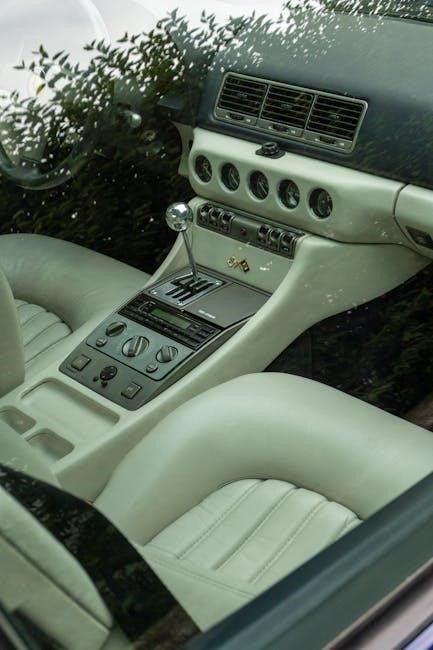
7-speed manuals utilize intricate gearsets and synchromesh technology to facilitate smooth, precise shifts․ They feature complex internal components, including gears, shafts, and bearings․
These systems demand precise engineering to manage increased complexity and deliver optimal performance․
Gear Ratios and Their Impact
Seven-speed manual transmissions excel due to their closely spaced gear ratios, offering a wider spectrum of power delivery․ This design allows the engine to consistently operate within its optimal powerband, enhancing acceleration and responsiveness․
The tighter ratios minimize the performance drop between shifts, maintaining momentum and improving overall driving dynamics․ This is particularly beneficial in performance applications where maximizing efficiency and control is paramount․ These ratios contribute to improved fuel efficiency and a more engaging driving experience․
Synchromesh Technology in 7-Speed Systems
Synchromesh technology is crucial in 7-speed manual transmissions, ensuring smooth and precise gear changes․ This system equalizes the rotational speed of the gears before engagement, preventing grinding and reducing wear․ Advanced synchromesh designs are vital given the increased complexity of a 7-speed gearbox․
High-quality materials and precise engineering are essential for reliable operation․ Effective synchromesh contributes significantly to the overall refinement and driver enjoyment of these transmissions․
Internal Components: Gears, Shafts, and Bearings
A 7-speed manual transmission houses a complex arrangement of gears, shafts, and bearings․ These components work in harmony to deliver power efficiently․ Precision-cut gears, typically constructed from hardened steel, transmit torque․ Robust shafts handle the rotational forces, while high-quality bearings minimize friction and ensure smooth operation․
The intricate design necessitates tight tolerances and durable materials to withstand the stresses of performance driving, contributing to the transmission’s overall reliability․
Vehicles Featuring 7-Speed Manual Transmissions
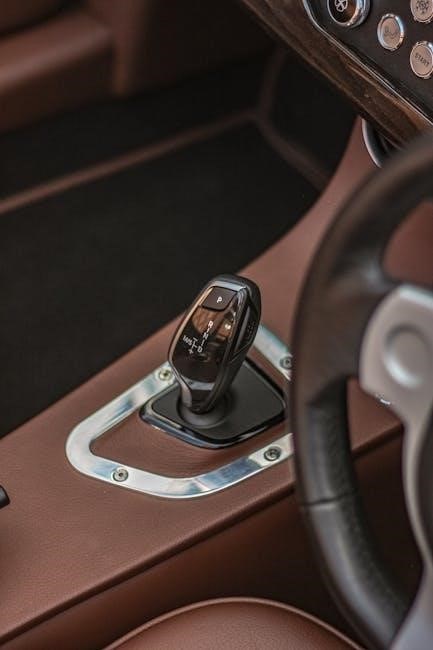
Notable vehicles offering a 7-speed manual include the Porsche 911, Aston Martin Vantage, Chevrolet Corvette (C7), and the high-performance Pagani Utopia․
These cars demonstrate the transmission’s capability in diverse applications, from sports cars to grand tourers․
Porsche 911: A Prime Example
The Porsche 911 consistently showcases the 7-speed manual transmission’s strengths, offering a uniquely engaging driving experience for enthusiasts․ It’s a celebrated pairing, enhancing the 911’s renowned handling and responsiveness․
Porsche’s implementation provides precise shifts and a satisfying mechanical feel, perfectly complementing the car’s performance characteristics․ This transmission allows drivers to fully exploit the 911’s power and agility, making it a benchmark for sports car engagement․
The 7-speed’s close ratios contribute to exhilarating acceleration and precise control on both the road and the track, solidifying the 911’s status as an icon․
Aston Martin Vantage and its 7-Speed Option
The Aston Martin Vantage presents a compelling case for the 7-speed manual, blending British luxury with driver-focused performance․ Offering a visceral connection to the car, the transmission enhances the Vantage’s already potent driving dynamics․
This option caters to enthusiasts seeking a more involved experience, allowing precise control over the powerful engine․ The 7-speed complements the Vantage’s grand touring character, providing both spirited acceleration and comfortable cruising․
It’s a testament to Aston Martin’s commitment to offering a choice for those who appreciate the art of driving․
Chevrolet Corvette (C7) with 7-Speed Manual
The C7 Chevrolet Corvette notably featured a 7-speed manual transmission, delivering a thrilling experience for American sports car enthusiasts․ This gearbox allowed drivers to fully exploit the Corvette’s potent V8 engine, enhancing both track performance and road driving enjoyment․
It provided quicker acceleration and improved fuel efficiency compared to earlier models, solidifying the Corvette’s reputation as a performance bargain․
The 7-speed option became a favorite among Corvette aficionados, offering a uniquely engaging driving experience․
Pagani Utopia: High-Performance Application
The Pagani Utopia showcases the 7-speed manual transmission in a truly extreme, high-performance application․ This exotic hypercar utilizes the gearbox to manage its powerful, Mercedes-AMG sourced V12 engine, delivering breathtaking acceleration and unparalleled driver control․
The manual transmission in the Utopia isn’t about fuel economy; it’s about maximizing the connection between driver and machine, offering a visceral and engaging experience․
It’s a testament to the enduring appeal of a skilled driver’s input․
Torque Capacity and Applications
7-speed manual transmissions handle substantial torque, ranging from 900-2200 N․m, available with robust iron or lighter aluminum casings for diverse vehicle needs․
Torque Range: 900-2200 N․m
The impressive torque capacity of 7-speed manual transmissions is a key factor in their application within high-performance vehicles․ These gearboxes are engineered to reliably manage torque outputs spanning from 900 to 2200 Newton-meters․
This broad range allows for suitability across various engine displacements and power levels․
Such capability ensures durability and responsiveness, even under demanding driving conditions, making them ideal for sports cars and powerful performance applications where robust power handling is essential․
Iron vs․ Aluminum Casing Options
7-speed manual transmissions are offered with both iron and aluminum casing options, each presenting distinct advantages․ Iron casings provide superior strength and durability, ideal for high-torque applications and demanding use․
Aluminum casings, conversely, offer a significant weight reduction, enhancing vehicle agility and contributing to improved fuel efficiency․
The choice between the two depends on the specific vehicle’s performance goals and intended application, balancing robustness with weight considerations․
Suitable Vehicle Types for 7-Speed Manuals
7-speed manual transmissions excel in high-performance sports cars, such as the Porsche 911, Aston Martin Vantage, and Chevrolet Corvette (C7), where precise gear selection is crucial․
Their close ratios also benefit supercars like the Pagani Utopia, maximizing acceleration and track performance․
Generally, vehicles prioritizing driver engagement and capable of handling substantial power benefit most from this sophisticated transmission type, offering an exhilarating driving experience․
Advantages of a 7-Speed Manual Transmission
7-speed manuals deliver improved fuel efficiency, enhanced driver engagement, and closer gear ratios for optimal performance, creating a more connected driving experience․
Improved Fuel Efficiency
A key advantage of the 7-speed manual transmission lies in its ability to optimize engine operation for greater fuel economy․ The additional gear allows the engine to consistently operate within its most efficient RPM range, reducing wasted energy․
This is particularly noticeable during highway cruising, where lower engine speeds translate directly into reduced fuel consumption․ By maintaining optimal engine load, the 7-speed gearbox contributes to a more environmentally friendly and cost-effective driving experience, benefiting both the driver and the planet․
Enhanced Driving Experience & Driver Engagement
The 7-speed manual transmission fundamentally elevates the driving experience, fostering a deeper connection between driver and machine․ Requiring active participation in gear selection, it transforms driving from a passive activity into an engaging and rewarding pursuit․
This heightened involvement provides a sense of control and satisfaction often absent in automatic transmissions, appealing to enthusiasts who value the tactile feedback and precision of a manual gearbox․ It’s a truly immersive experience․
Closer Gear Ratios for Optimal Performance
A key advantage of the 7-speed manual lies in its tighter gear ratios, enabling the engine to consistently operate within its optimal power band․ This results in quicker acceleration, improved responsiveness, and enhanced overall performance compared to transmissions with fewer gears․
These closer ratios minimize the performance drop between shifts, maintaining momentum and maximizing the vehicle’s potential․ This is particularly beneficial in spirited driving and track applications, delivering a more exhilarating experience․
Disadvantages and Considerations
Despite their benefits, 7-speed manuals present complexity, potentially higher repair costs, and a steeper learning curve for drivers unfamiliar with the system․
Availability is limited, as fewer modern vehicles offer this transmission type, impacting practicality for some buyers․
Complexity and Potential Repair Costs
The intricate design of a 7-speed manual transmission inherently increases its complexity compared to simpler gearboxes․ This added complexity translates directly into potentially higher repair costs when issues arise․
More gears mean more components – shafts, synchronizers, and bearings – each representing a potential point of failure․ Specialized knowledge and tools are often required for diagnosis and repair, further escalating labor expenses․
Finding qualified technicians experienced with these transmissions can also be challenging, potentially leading to longer downtime and increased overall costs for owners․
Learning Curve for Drivers
Mastering a 7-speed manual transmission demands a greater level of skill and coordination than traditional 5 or 6-speed gearboxes․ The additional gear requires drivers to develop a refined sense of engine speed and road conditions․
Smooth and precise shifting becomes more challenging, demanding practice to avoid jerky transitions or missed gears․ Heel-toe downshifting, a technique favored by enthusiasts, requires significant practice to execute effectively․
New drivers may initially find the increased complexity daunting, but the reward is a more connected and engaging driving experience․
Availability in Modern Vehicles
The prevalence of 7-speed manual transmissions is dwindling in the automotive landscape, as manufacturers increasingly favor automatic and dual-clutch transmissions․ While once found in models like the Chevrolet Corvette C7 and Porsche 911, options are becoming limited․
Enthusiast demand sustains their presence in select high-performance vehicles, but widespread availability is unlikely․ The shift towards efficiency and convenience prioritizes automated systems over manual engagement․
Finding a new vehicle equipped with a 7-speed manual requires focused searching․
The Evolution of Manual Transmissions
The 7-speed manual represents a significant leap from earlier 4, 5, and 6-speed systems, offering closer ratios and enhanced performance, though manuals decline overall․
This evolution reflects a pursuit of optimized power delivery and driver control within a shrinking market segment․
From Early Manuals to Modern 7-Speed Systems
Early manual transmissions were simple, utilizing direct-drive gears and requiring significant driver skill․ Over decades, synchronization and increased gear counts emerged, improving ease of use․
The jump to 7-speed manuals represents a refinement of this process, prioritizing closer gear ratios for optimal acceleration and fuel efficiency․ This advancement builds upon the foundations laid by previous generations․
Modern systems incorporate sophisticated materials and engineering, delivering smoother shifts and increased durability, while still maintaining the engaging driving experience enthusiasts desire․
Comparison: 4, 5, 6, and 7-Speed Manuals
Four and five-speed manuals were common, offering simplicity but wider gear gaps․ Six-speed transmissions became popular, balancing performance and usability․ The addition of a seventh gear in select models like the Corvette C7 further refines this balance․
Seven-speed manuals provide even closer ratios, enhancing acceleration and allowing the engine to stay within its optimal power band more consistently․ This results in improved responsiveness and efficiency compared to lower-speed options․
Enthusiasts often debate the merits of each, but the 7-speed aims for peak performance․
The Decline of Manual Transmissions in General
Despite enthusiast appeal, manual transmissions, including the specialized 7-speed variants, are becoming increasingly rare in new vehicles․ Automatics, with their convenience and efficiency gains, dominate the market․ This shift is driven by consumer preference and advancements in automatic technology․
Even performance cars are now often offered primarily with automatics or dual-clutch transmissions․ The 7-speed manual serves as a niche offering, preserving a connection to driving for dedicated enthusiasts․
Bargain hunters still love them, but their future is uncertain․

Maintenance and Troubleshooting
Regular fluid changes are crucial for 7-speed manuals, alongside monitoring for unusual noises or difficult shifting—signs of potential internal issues․
Prompt attention prevents costly repairs and ensures continued smooth operation of this complex transmission․
Common Issues with 7-Speed Manuals
Seven-speed manual transmissions, while rewarding, can exhibit specific issues; Synchro wear, leading to grinding during shifts, is frequent, especially with aggressive driving․
Internal component failures, like bearing or gear damage, can occur over time, manifesting as noise or vibration․
Fluid leaks, often stemming from seals, require immediate attention to prevent damage․
Shift linkage problems can cause imprecise or difficult gear selection, impacting the driving experience․ Regular inspections and preventative maintenance are vital for longevity․
Fluid Changes and Maintenance Schedules
Seven-speed manual transmissions require diligent fluid maintenance․ Typically, fluid changes are recommended every 30,000 to 60,000 miles, depending on driving conditions and manufacturer specifications․
Using the correct fluid type is crucial; consult your vehicle’s manual․
Inspect the transmission for leaks during each oil change․
Regularly check shift linkage for smooth operation․ A proactive maintenance schedule extends the transmission’s life and ensures optimal performance, preventing costly repairs down the road․
Signs of Transmission Problems
Seven-speed manual transmissions exhibit specific symptoms when issues arise․ Difficulty shifting, grinding noises during gear changes, or a slipping clutch are key indicators․
Unusual vibrations or a persistent humming sound also suggest potential problems․
Pay attention to any changes in pedal feel or increased effort needed to engage gears․
Ignoring these signs can lead to more extensive and expensive repairs, so prompt diagnosis by a qualified mechanic is essential for maintaining optimal performance․

The Future of 7-Speed Manual Transmissions
Seven-speed manuals face an uncertain future, relying on enthusiast demand and potential adaptation for hybrid/electric vehicles to ensure continued availability․
Their survival hinges on preserving driver engagement in an increasingly automated automotive landscape․
Will They Continue to Be Offered in New Cars?
The longevity of 7-speed manual transmissions in new car lineups is questionable, heavily dependent on shifting consumer preferences and manufacturer commitment to enthusiast driving experiences․
While demand remains among a dedicated group, the broader market trends favor automatic transmissions and emerging electric vehicle technologies․
Manufacturers like Porsche continue to offer them in the 911, acknowledging the importance of driver engagement, but widespread availability seems unlikely․
Ultimately, their future relies on passionate enthusiasts actively supporting and advocating for the preservation of this engaging technology․
Potential for Hybrid and Electric Vehicle Applications
Integrating a 7-speed manual transmission into hybrid or electric vehicles presents significant engineering challenges, yet offers intriguing possibilities for enhanced driver control․
Simulating gear shifts through software could provide a familiar feel, appealing to enthusiasts missing the tactile experience of a traditional manual․
However, the instant torque of electric motors diminishes the need for multiple gears, potentially reducing the benefits․
Innovative solutions might focus on maximizing efficiency or creating unique driving modes, but widespread adoption remains uncertain․
The Role of Enthusiasts in Preserving Manual Transmissions
Enthusiasts play a crucial role in keeping the spirit of manual transmissions, including the specialized 7-speed variants, alive amidst the rise of automatics․
Their passion fuels demand for these engaging gearboxes in niche performance vehicles, influencing manufacturers to continue offering them․
Online communities and car clubs foster knowledge sharing and support for maintaining these complex systems․
By actively seeking out and preserving these cars, enthusiasts ensure future generations can experience the joy of a truly connected drive․
7-Speed Manual Transmissions in Motorsports
Though uncommon, 7-speed manuals appear in motorsports, offering precise gear selection for optimized performance on challenging tracks and diverse racing conditions․
They enhance control and acceleration, contributing to competitive advantages in specialized racing applications․
NASCAR and Other Racing Series
While not a standard in NASCAR’s primarily automatic-transmission field, the pursuit of performance continually drives technical innovation, exploring possibilities for enhanced gear ratios․
Other racing series, particularly those emphasizing driver skill and mechanical connection, might utilize modified 7-speed manual transmissions for a competitive edge․
These transmissions, when adapted, contribute to quicker acceleration, improved track times, and greater control during intense racing maneuvers, demanding precise shifting and robust durability․
The focus remains on reliability alongside speed, a crucial balance in the demanding environment of motorsports․
Performance Enhancements for Racing Applications
Adapting a 7-speed manual transmission for racing necessitates significant internal reinforcement, utilizing high-strength materials to withstand extreme stress and rapid shifts․
Close-ratio gearsets are crucial, optimizing power delivery and minimizing acceleration gaps between gears, maximizing track speed and responsiveness․
Lightweight components, like specialized shafts and gears, reduce rotational inertia, enabling faster gear changes and improved engine performance․
Precise shift mechanisms and robust synchromesh systems are vital for consistent, reliable performance under intense racing conditions․
Comparing 7-Speed Manuals to Automatic Transmissions
Seven-speed manuals prioritize driver control and engagement, while automatics offer convenience and, increasingly, comparable speed through advanced technology and efficiency․
Driver preference and cost significantly influence the choice between these transmission types, impacting the overall driving experience․
Performance Differences
Seven-speed manual transmissions traditionally demanded greater driver skill to extract peak performance, requiring precise timing and coordination for optimal acceleration and lap times․
However, modern automatic transmissions, particularly those with seven or more speeds and sophisticated software, have narrowed this gap considerably․
They often achieve faster shift times and maintain optimal engine RPMs, sometimes surpassing a manual in pure acceleration tests․
Despite this, the manual offers a more direct and tactile connection, allowing skilled drivers to influence the car’s behavior and maintain control in challenging conditions․
Cost Considerations
Seven-speed manual transmissions, when initially equipped on a vehicle, often represent a no-cost or minimal-cost option compared to automatics, appealing to budget-conscious enthusiasts․
However, should repairs become necessary, the complexity of these gearboxes can lead to higher labor costs due to specialized knowledge and parts requirements․
Finding qualified mechanics familiar with 7-speed manuals might also prove challenging and contribute to increased maintenance expenses over the vehicle’s lifespan․
Ultimately, long-term ownership costs can vary significantly depending on driving habits and potential issues․
Driver Preference
Seven-speed manual transmissions cater to drivers who prioritize engagement and control, offering a more immersive driving experience than automatic alternatives․
Enthusiasts often relish the ability to select precise gear ratios, maximizing performance and fostering a stronger connection with the vehicle․
However, this level of control demands skill and attentiveness, potentially making it less appealing to drivers seeking convenience or simplicity․
Ultimately, the choice hinges on individual driving style and preferences․

The Role of the Driver in a 7-Speed Manual
Mastering a 7-speed manual requires precise shifting, heel-toe downshifting, and understanding gear selection for optimal performance in diverse driving scenarios․
Proper Shifting Techniques
Executing smooth shifts in a 7-speed manual transmission demands coordination and precision․ Depress the clutch fully, move the lever decisively to the next gear, and simultaneously release the clutch while applying throttle․
Avoid rushing shifts, especially during spirited driving, to prevent gear clash and maintain control․ Rev-matching – blipping the throttle during downshifts – is crucial for seamless transitions and minimizing wear on the synchronizers․
Consistent practice refines muscle memory, enabling quicker, smoother shifts, ultimately enhancing the driving experience and maximizing the transmission’s potential․
Heel-Toe Downshifting
Heel-toe downshifting, a technique favored by performance drivers, is particularly effective with 7-speed manuals․ Simultaneously braking with the ball of your foot and ‘blipping’ the throttle with your heel matches engine speed to the lower gear․
This prevents unsettling the chassis during downshifts, maintaining stability and control, especially when entering corners․ Mastering this technique requires practice, but it unlocks a smoother, more connected driving experience․
It minimizes transmission stress and allows for precise gear selection, enhancing overall performance and driver confidence․
Understanding Gear Selection for Different Driving Conditions
A 7-speed manual’s closely spaced ratios demand mindful gear selection․ Utilize lower gears for maximizing acceleration and engine braking, ideal for spirited driving or navigating winding roads․
Higher gears are best suited for maintaining cruising speed on highways, prioritizing fuel efficiency and reducing engine strain․ Anticipate upcoming terrain changes and select the appropriate gear proactively․
Understanding the engine’s powerband and matching it to driving conditions unlocks the transmission’s full potential, delivering optimal performance and control․