
Rival Rice Steamer Instructions: A Comprehensive Guide
Rival offers diverse models – RC101, FSD201, and CKRVSTLM – each with unique features for optimal rice cooking and steaming experiences․
Understanding Your Rival Rice Cooker Model
Rival rice cookers, like the RC101, FSD201, and CKRVSTLM series, simplify meal preparation․ Knowing your specific model is crucial for optimal performance․ Manuals are readily available online via Rival’s official website or third-party retailers․ These guides detail unique features, cooking times, and safety precautions․ Understanding the differences between models—capacity, functions—ensures you utilize your cooker effectively, achieving perfectly cooked rice and steamed dishes every time․ Familiarize yourself with your cooker’s capabilities!
Identifying Key Components
Rival rice cookers generally feature a control panel, inner pot, and steaming basket․ The control panel manages cooking cycles․ The inner pot holds rice and water, while the steaming basket sits above for vegetables or other foods․ Recognizing these parts is essential for operation and cleaning․ Different models, like the CKRVSTLM20, may have slight variations in component design, so referencing your manual is always recommended for accurate identification and usage․
Control Panel Overview
The Rival control panel typically includes buttons for “Cook,” “Warm,” and sometimes specialized settings for different rice types․ Lights indicate the current cooking stage․ Some models feature a simple on/off switch․ Understanding these controls is crucial for successful operation․ Refer to your specific model’s manual – RC101, FSD201, or CKRVSTLM – as button layouts and functions can vary between series․
Inner Pot and Steaming Basket
The Rival rice cooker’s inner pot is usually non-stick coated for easy food release and cleaning․ A separate steaming basket is included for vegetables or other foods․ Ensure the basket sits securely within the pot, above the water level․ Proper placement prevents burning and ensures even steaming․ Check your model – RC101, FSD201, or CKRVSTLM – for specific basket designs․
Initial Setup and Preparation
Before your first use, unpack your Rival rice cooker and remove all packaging materials․ Thoroughly wash the inner pot, steaming basket, and lid with warm, soapy water․ Wipe the exterior with a damp cloth․ Ensure proper ventilation around the cooker during operation; avoid placing it near flammable materials․ This initial preparation guarantees optimal performance and longevity․
Cleaning Before First Use
Prior to initial operation, a meticulous cleaning process is crucial․ Remove all components – inner pot, steaming basket, and lid – and wash them in warm, soapy water․ Rinse thoroughly to eliminate any residue․ Wipe the exterior housing with a soft, damp cloth․ This removes manufacturing dust and ensures a fresh, clean start for your Rival rice cooker․
Proper Placement and Ventilation
Position your Rival rice cooker on a stable, level surface, away from flammable materials․ Ensure adequate ventilation around the unit – at least four inches on all sides – to prevent overheating․ Avoid placing it under cabinets or near water sources․ Proper airflow is essential for safe and efficient operation, maximizing the cooker’s lifespan and performance․
Basic Rice Cooking Instructions
Before starting, familiarize yourself with the appropriate water-to-rice ratio for your desired consistency․ Generally, a 1:1 ratio works well for white rice․ Add rinsed rice and water to the inner pot, close the lid securely, and select the ‘cook’ function․ The cooker will automatically switch to ‘keep warm’ upon completion, signaling perfectly cooked rice is ready to enjoy․
Water-to-Rice Ratio Guide
Achieving fluffy rice hinges on the correct water ratio․ For white rice, a standard 1:1 ratio (1 cup rice to 1 cup water) is ideal․ Brown rice requires more liquid – typically 1 cup rice to 2․25 cups water․ Jasmine rice benefits from a slightly reduced ratio of 1:0․83 cups․ Adjust slightly based on personal preference and rice variety․
Cooking White Rice
Begin by rinsing the white rice under cold water until the water runs clear․ Add the rinsed rice and the appropriate amount of water (typically a 1:1 ratio) to the Rival rice cooker’s inner pot․ Secure the lid, select the “white rice” setting, and press start․ Once cooked, let the rice stand for 10 minutes before fluffing․
Cooking Different Types of Rice
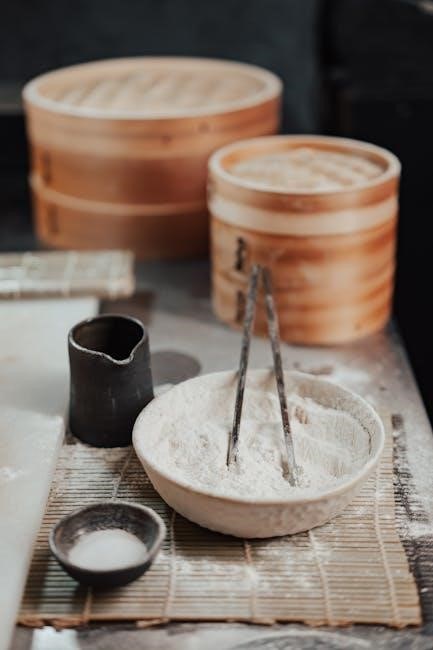
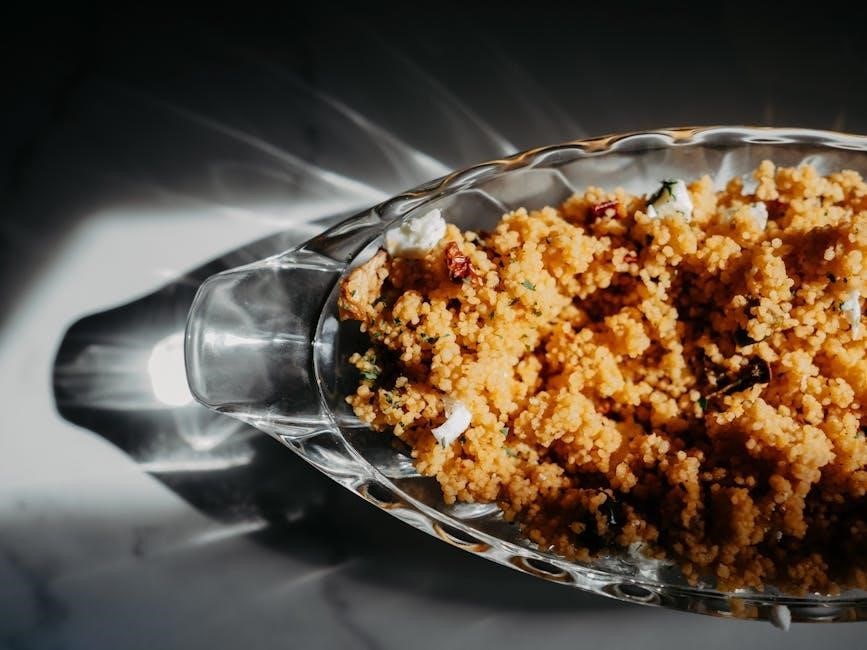
Rival steamers excel beyond white rice! For brown rice, use a 2:1 water ratio and the designated “brown rice” setting, extending cooking time․ Jasmine rice requires slightly less water – around 1․25:1 – and benefits from a brief steaming period after the cycle completes․ Experiment to find your perfect texture, adjusting water levels as needed․
Brown Rice Cooking Guide
Rival steamers prepare delicious brown rice with a 2:1 water-to-rice ratio․ Utilize the dedicated “brown rice” setting for optimal results, ensuring thorough cooking․ Cooking time is extended compared to white rice, typically 45-50 minutes․ Allow a 10-minute resting period post-cooking for fluffy, perfectly textured brown rice․ Adjust water slightly for desired consistency․
Jasmine Rice Cooking Instructions
Rival steamers excel at cooking fragrant jasmine rice․ A 1:1 water-to-rice ratio is generally recommended, though slight adjustments may be needed based on preference․ Use the standard “cook” setting․ Cooking time typically ranges from 15-20 minutes․ After cooking, let the rice stand, covered, for 10 minutes to allow steam to redistribute, resulting in fluffy, aromatic jasmine rice․
Steaming Vegetables and Other Foods
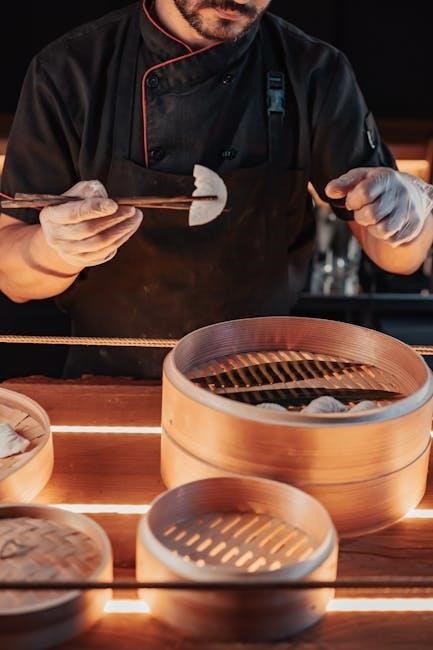
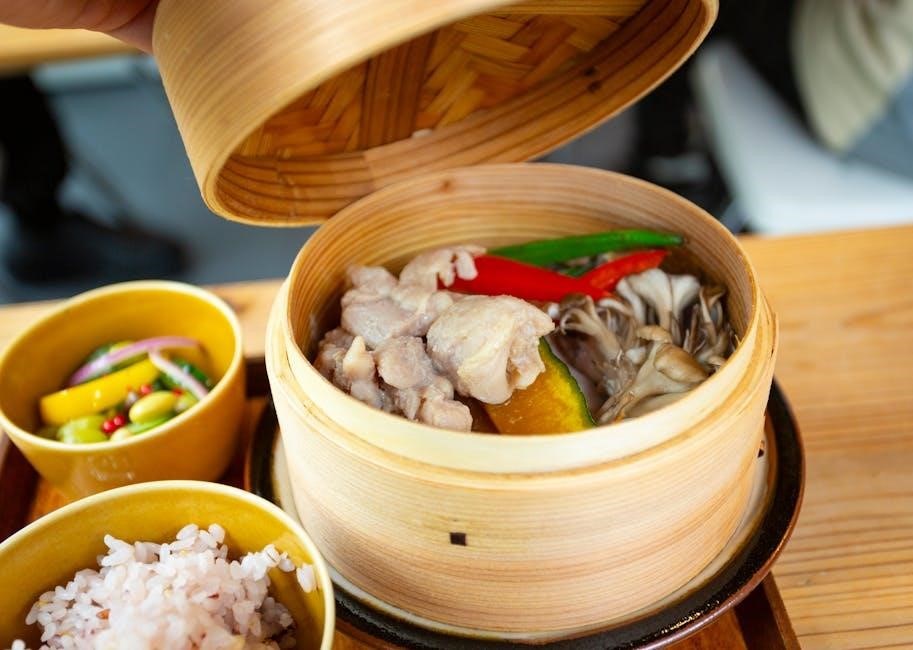
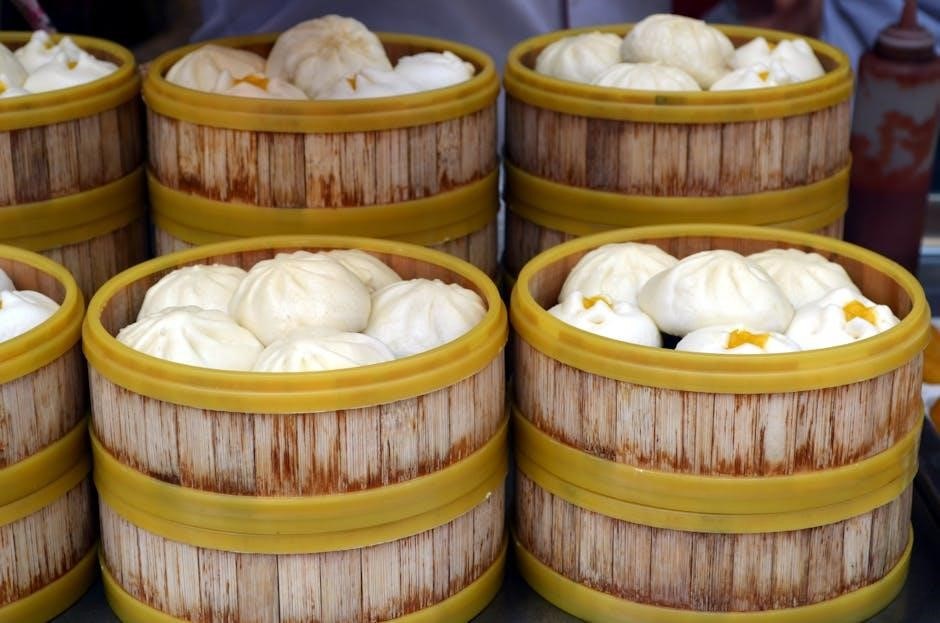
Rival steamers are versatile for healthy cooking beyond rice! Utilize the included steaming basket․ Add water to the base, ensuring it doesn’t touch the food․ For best results, cut vegetables into uniform sizes․ Steaming preserves nutrients and flavor․ This method works wonderfully for fish, dumplings, and other delicate foods, offering a convenient and nutritious meal option․
Preparing Vegetables for Steaming
Rival steamers excel with properly prepped vegetables! Wash all produce thoroughly․ Cut into even pieces for consistent cooking – roughly 1-inch cubes are ideal․ Heartier vegetables like carrots may require smaller cuts․ Leafy greens can be steamed whole or coarsely chopped․ Avoid overcrowding the steaming basket; work in batches if necessary for optimal steam circulation․
Steaming Times for Various Vegetables
Rival steamers offer versatile vegetable steaming! Broccoli and cauliflower need 5-7 minutes for tender-crisp results․ Carrots require 8-10 minutes․ Green beans steam beautifully in 6-8 minutes․ Delicate vegetables like spinach and peas only need 3-5 minutes․ Check for doneness with a fork; vegetables should be slightly tender but retain some crunch․
Using the Keep Warm Function
Rival rice cookers feature a convenient Keep Warm function, automatically activating after cooking completes․ This maintains rice temperature for hours, preventing it from drying out․ While duration varies by model, generally, rice stays warm for up to 12 hours․ Always unplug the cooker when not in use for safety․
Understanding Keep Warm Duration
The Rival Keep Warm function typically maintains rice at an optimal serving temperature for approximately 12 hours, though this can differ slightly between models like the RC101, FSD201, and CKRVSTLM․ Extended warm holding may slightly alter rice texture․ Regularly check rice quality and discard after prolonged warming for best results․
Safety Precautions for Keep Warm Mode
When utilizing the Rival rice cooker’s Keep Warm function, avoid leaving the unit unattended for excessively long periods․ Ensure proper ventilation to prevent moisture buildup․ Never cover the cooker while in Keep Warm mode, as this can lead to condensation․ Always unplug the appliance when not in use to minimize electrical risks․
Cleaning and Maintenance
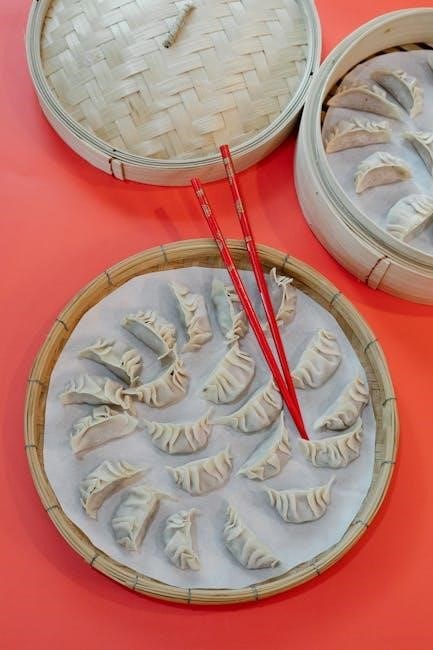
To ensure longevity of your Rival rice cooker, regularly clean removable parts like the inner pot and steaming basket․ Many components are dishwasher safe, simplifying the process․ Wipe the exterior with a damp cloth; avoid abrasive cleaners․ Thoroughly dry all parts before reassembly․ Proper cleaning prevents residue buildup and maintains optimal performance․
Dishwasher Safe Parts
Generally, the inner pot, steaming basket, and lid of most Rival rice cooker models are dishwasher safe․ However, always consult your specific model’s manual for confirmation․ Delicate components or those with non-stick coatings may require hand washing to prevent damage․ Top rack placement is recommended for optimal cleaning and to avoid heat exposure․
Proper Cleaning Procedures
After each use, unplug the cooker and allow it to cool completely․ Remove the inner pot and steaming basket, washing them with warm, soapy water․ Wipe the exterior with a damp cloth․ Avoid abrasive cleaners, which can damage the finish․ Ensure all parts are thoroughly dried before reassembly and storage, preventing mildew or odors․
Troubleshooting Common Issues
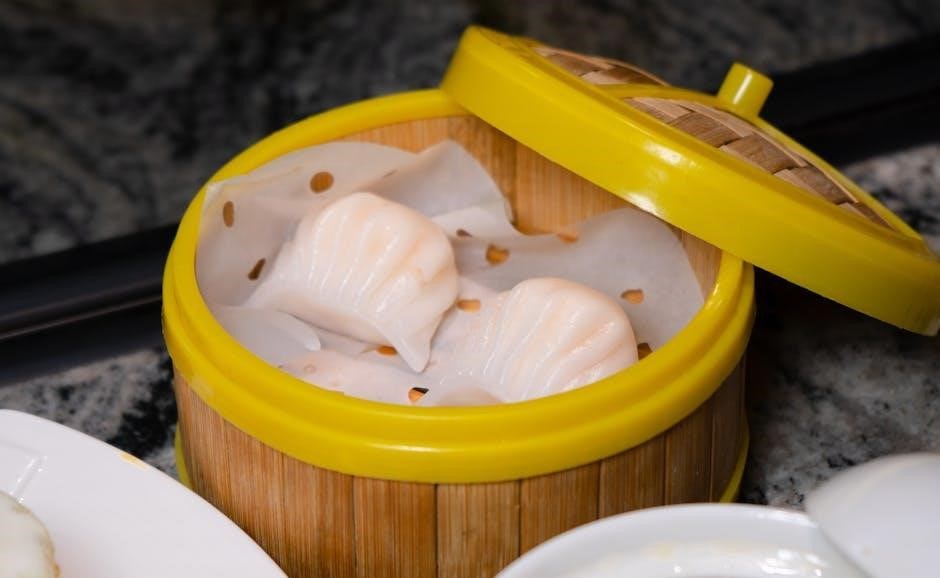
If rice is mushy, reduce the water-to-rice ratio next time․ Hard rice indicates insufficient water; increase it slightly․ For no steam, check the water level and ensure the steamer basket is correctly positioned․ Verify the unit is plugged in and the heating element isn’t damaged․ Contact Rival support if issues persist․
Rice is Too Mushy or Too Hard
Mushy rice typically results from using too much water; decrease the liquid amount in subsequent cooking attempts․ Conversely, hard or undercooked rice signifies insufficient water․ A slight increase in the water-to-rice ratio is recommended․ Experiment to find the perfect balance for your preferred rice type and desired texture․
Steamer Not Producing Steam
If your Rival steamer isn’t producing steam, ensure sufficient water is in the reservoir․ Verify the steamer basket is correctly positioned, allowing steam circulation․ Check for any blockages in the steam vents․ A malfunctioning heating element could also be the cause; consider contacting Rival support for assistance․

Safety Precautions
Always unplug your Rival rice cooker before cleaning․ Avoid immersing the base in water to prevent electrical shock․ Use caution when handling hot steam and the inner pot to avoid burns․ Ensure proper ventilation during operation․ Never operate the appliance with a damaged cord or plug, and keep it away from flammable materials․
Electrical Safety Guidelines
To ensure safe operation, always use a grounded outlet․ Never operate the Rival rice cooker with a damaged cord or plug; replace immediately․ Avoid using extension cords․ Do not attempt to repair the appliance yourself․ Unplug the cooker when not in use and before cleaning․ Keep the electrical components dry․
Avoiding Burns and Scalds
Exercise extreme caution when handling the Rival rice cooker during and after operation․ Steam can cause severe burns; open the lid away from your face․ The inner pot and exterior surfaces become hot․ Use oven mitts or pot holders when handling․ Allow the cooker to cool completely before cleaning or storing․
Rival Rice Cooker Model Variations
Rival produces several rice cooker models, including the RC101, a 10-cup cooker and steamer, alongside the FSD201 and CKRVSTLM series food steamers․ Each model possesses distinct features and capacities․ Refer to the specific user manual – available online – for detailed instructions tailored to your particular Rival appliance․
RC101 Model Specifics
The Rival RC101 is a 10-cup rice cooker and steamer, a popular choice for households․ Its user manual details precise cooking times and water ratios for various rice types․ Online resources provide downloadable RC101 manuals for quick reference․ Ensure proper ventilation during operation and consult the guide for optimal performance and safety features specific to this model․
FSD201 and CKRVSTLM Series Differences
The Rival FSD201 is a dedicated food steamer, while the CKRVSTLM series combines rice cooking and steaming functionalities․ Manuals for both, readily available online, highlight distinct features․ The CKRVSTLM offers versatility, whereas the FSD201 excels in dedicated steaming; Understanding these differences ensures users select the appropriate model for their specific culinary needs and achieve optimal results․
Finding Replacement Parts and Manuals
Rival’s official website is the primary source for manuals – RC101, CKRVSTLM20, FSD201, and CKRVSTLM21 are all listed․ If parts are needed, the website may offer direct purchase options or direct you to authorized retailers․ Alternatively, numerous third-party retailers carry Rival replacement parts and downloadable manuals, ensuring continued usability and extending the lifespan of your appliance․
Rival’s Official Website
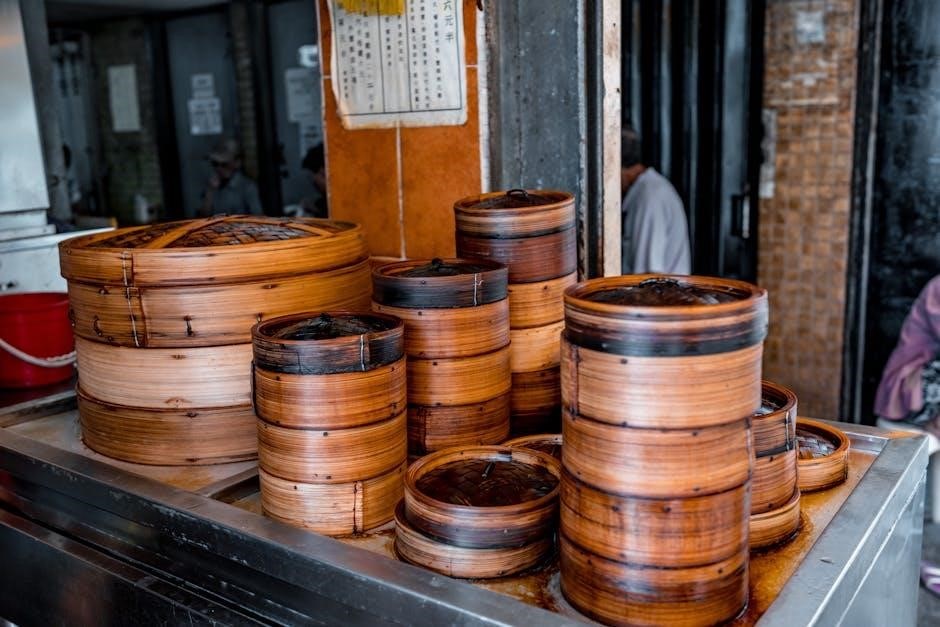
Rival’s official website serves as the central hub for accessing comprehensive product support, including downloadable manuals for models like the RC101, FSD201, and CKRVSTLM series․ Users can locate specific documentation to troubleshoot issues or understand features․ While direct parts purchasing isn’t always available, the site often provides links to authorized retailers offering replacement components․
Third-Party Retailers
Numerous online retailers, such as Amazon and Walmart, frequently stock Rival rice cooker replacement parts and manuals․ These platforms offer a wider selection of components, including inner pots and steaming baskets, often at competitive prices․ Searching by model number (RC101, FSD201, CKRVSTLM) ensures compatibility․ Always verify seller ratings and return policies before purchasing․