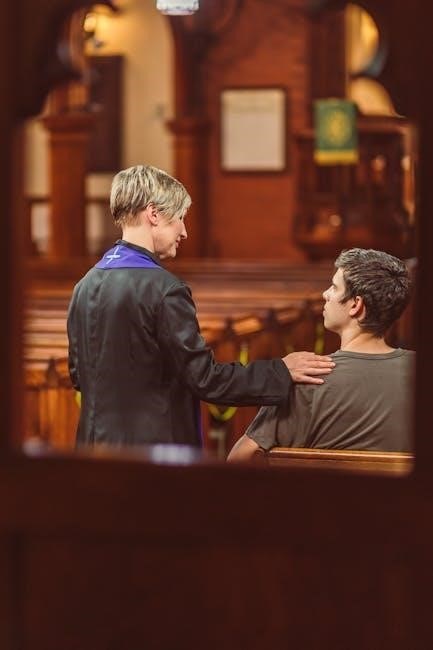

Deacons: A Comprehensive Look at Matt Smethurst’s Work
Matt Smethurst’s work on deacons, available as a PDF and eBook download, argues for their essential role in church health and gospel ministry.
His research, including links to essays and historical texts like Reed’s 1903 work, provides a robust biblical foundation for understanding the deaconate.
Matt Smethurst’s “Deacons: How They Serve and Strengthen the Church” offers a timely and compelling re-evaluation of a frequently overlooked church office; Published in 2021, the book swiftly gained attention within Reformed circles, becoming available in multiple formats including PDF, eBook, and audio download. Smethurst skillfully addresses the prevalent neglect and misunderstanding surrounding the role of deacons in contemporary church life.
He doesn’t simply offer a historical overview; instead, he presents a practical and theological case for the vital importance of a robust deacon ministry. The work is grounded in careful biblical exegesis, particularly focusing on 1 Timothy 3:8-13 and the account in Acts 6. Smethurst’s accessible writing style, coupled with his insightful analysis, makes this book a valuable resource for pastors, church leaders, and anyone interested in strengthening the local church. Resources like those found on 10ofThose.com further support access to this important work.
The Current State of Deacon Ministry
Currently, deacon ministry within many churches exists in a state of decline or, at best, underutilization. Often relegated to tasks like facility maintenance or simple benevolence, the biblical scope of the deaconate is frequently misunderstood. Matt Smethurst’s work directly confronts this reality, highlighting a significant gap between the New Testament vision and contemporary practice. Many churches lack a clearly defined role for deacons, resulting in vacant positions or individuals serving without adequate training or empowerment.
The availability of resources like Smethurst’s book in accessible formats – including PDF and eBook download – signals a growing awareness of this issue. However, widespread change remains slow. A common misconception is that the deacon role is merely preparatory for eldership, diminishing its inherent value. Smethurst challenges this notion, emphasizing the unique and essential contributions deacons make to gospel ministry and overall church health, advocating for a renewed commitment to biblical deacon ministry.
Why Focus on Deacons?
Matt Smethurst convincingly argues that focusing on deacons isn’t about reviving a dusty tradition, but about strengthening the very core of gospel ministry. His work, readily available as a PDF and eBook download, demonstrates that healthy churches historically thrived with robust deacon ministries. Ignoring this vital role places an undue burden on pastors and hinders the church’s ability to effectively serve its congregation and community.
A renewed emphasis on deacons frees up elders to focus on preaching and teaching, while deacons address practical needs and cultivate a culture of servanthood. Smethurst’s research reveals that deacons aren’t simply helpers, but essential partners in mission. By equipping and empowering deacons, churches can experience increased unity, greater compassion, and a more impactful witness. Prioritizing deacons is, therefore, a strategic investment in long-term church health and flourishing.
Biblical Foundations for the Deaconate
Smethurst’s work, accessible as a PDF, meticulously traces the deacon’s origins to the New Testament, particularly 1 Timothy 3:8-13 and the practical needs in Acts 6.
New Testament Origins of the Deacon Role
Matt Smethurst’s exploration, readily available as a PDF download, firmly grounds the deaconate in the early church’s practical realities. He highlights Acts 6 as a pivotal moment, demonstrating the need for designated servants to address logistical concerns – specifically, the equitable distribution of resources to Grecian widows.
This wasn’t merely about charity; it was about freeing up the apostles to prioritize prayer and the proclamation of the Word. Smethurst argues this illustrates a crucial distinction of roles, not a hierarchy of importance. Furthermore, the qualifications outlined in 1 Timothy 3:8-13, detailed in his work, reveal the character and spiritual maturity expected of those serving as deacons.
These weren’t simply administrative positions, but roles demanding integrity, dignity, and a tested faith. Smethurst connects these biblical foundations to the contemporary church, urging a return to a robust understanding of the deacon’s original purpose.
Qualifications for Deacons (1 Timothy 3:8-13)
Matt Smethurst’s analysis, accessible in PDF format, meticulously unpacks the qualifications for deacons as laid out in 1 Timothy 3:8-13. He emphasizes these aren’t arbitrary requirements, but indicators of character essential for trustworthy service. The text stresses dignity, sincerity, and being “tested” before being entrusted with significant responsibility.
Smethurst notes the emphasis on a proven track record – not just outward profession, but demonstrated faithfulness. He highlights the importance of being “above reproach,” possessing a clear conscience, and being temperate in all things. Furthermore, the qualifications extend to family life, requiring deacons to manage their households well and demonstrate genuine love for their families.
Smethurst argues these standards aren’t meant to be discouraging, but to protect the church and empower deacons to serve effectively, reflecting the character of Christ in their ministry. His work provides a practical guide for evaluating potential deacons.
The Role of Deacons in Acts 6
Matt Smethurst’s work, available as a PDF, examines the pivotal role of deacons as established in Acts 6, highlighting its significance for understanding the office. He argues that the selection of seven men to address the logistical needs of the early church – specifically, the daily distribution of food – wasn’t merely about alleviating a practical problem, but establishing a pattern for future ministry;
Smethurst emphasizes that these individuals weren’t simply tasked with menial labor; they were chosen for their spiritual qualities and entrusted with a vital service that freed up the apostles to focus on prayer and the preaching of the Word. This demonstrates a crucial division of labor within the church.
He connects this narrative to the qualifications outlined in 1 Timothy 3, suggesting the Acts 6 deacons embodied those characteristics. Smethurst contends this foundational example illustrates deacons as essential for supporting gospel ministry and fostering church unity.
Smethurst’s Key Arguments
Matt Smethurst’s PDF resource asserts deacons are vital for gospel ministry, promoting church health through dedicated servanthood and supporting pastoral leadership effectively.
Deacons as Essential for Gospel Ministry
Matt Smethurst compellingly argues that a robust deacon ministry isn’t merely helpful, but essential for effective gospel proclamation. His work, readily available as a PDF download, demonstrates how deacons free up pastoral staff to focus on preaching and teaching by shouldering crucial responsibilities.
Smethurst highlights that deacons aren’t simply assistants; they are vital partners in ministry, actively contributing to the spiritual well-being of the congregation. They address practical needs, fostering a supportive environment where the gospel can flourish. This allows the church to more fully pursue its mission.

He emphasizes that a healthy church isn’t solely defined by strong pastoral leadership, but also by a thriving, biblically-grounded deaconate. The PDF resource details how deacons embody servant-heartedness, mirroring Christ’s example and strengthening the church’s witness. Smethurst’s analysis draws from both Scripture and historical precedent, reinforcing this crucial point.
Deacons and Church Health
Matt Smethurst’s work, accessible as a PDF and in various eBook formats, directly links a flourishing deacon ministry to overall church health. He posits that neglecting the role of deacons creates an unsustainable burden on pastors, hindering their effectiveness and potentially leading to burnout.
A strong deaconate, according to Smethurst, proactively addresses practical needs within the congregation – from benevolence to facility management – thereby fostering a more unified and caring community. This practical support allows the pastoral team to concentrate on spiritual leadership and discipleship.
The PDF resource details how deacons contribute to a healthier church culture by modeling servant-leadership and promoting accountability. Smethurst argues that a well-functioning deacon body isn’t simply about task completion, but about cultivating a spirit of selfless service that permeates the entire congregation, strengthening the church from within.
The Importance of Servanthood
Matt Smethurst’s exploration of the deaconate, readily available as a PDF download and eBook, centers on the core principle of servanthood. He emphasizes that the biblical foundation of the deacon role, particularly as seen in Acts 6, is rooted in a humble willingness to meet practical needs.
Smethurst argues that deacons aren’t simply administrators or committee members, but rather “model servants” who embody Christ-like humility. This practical demonstration of service inspires the entire congregation to adopt a similar posture, fostering a culture of mutual care and support.
The book highlights how a focus on servanthood protects against pride and power struggles within the church. By prioritizing the needs of others, deacons exemplify a vital aspect of gospel living, demonstrating the transformative power of Christ’s example. The PDF resource underscores that true leadership is found in service, not authority.

Practical Implications for Churches
Smethurst’s work, accessible as a PDF, challenges churches to re-evaluate and revitalize the deacon role, focusing on recruitment, training, and empowerment.
Re-evaluating the Deacon Role
Matt Smethurst’s work compels a critical re-examination of how many churches currently utilize, or underutilize, deacons. Often relegated to tasks of maintenance or simply assisting elders, Smethurst argues this diminishes their vital contribution to gospel ministry. His book, available as a PDF download, demonstrates a historically and biblically richer understanding of the deacon’s purpose.
Churches should move beyond viewing deacons as merely “helpers” and instead recognize them as essential leaders serving a crucial function – freeing up elders to focus on preaching and teaching. This requires a shift in perception, valuing the deacon’s role as one of significant spiritual weight and responsibility. Smethurst’s insights encourage a deliberate reassessment of deacon responsibilities, aligning them with genuine needs within the congregation and the broader community. This re-evaluation isn’t about adding more work, but about strategically deploying gifted individuals for maximum impact.

Recruiting and Training Deacons
Matt Smethurst’s research, accessible through resources like his book in PDF format, highlights the necessity of proactive recruitment and robust training for deacons. Identifying men who exemplify the qualifications outlined in 1 Timothy 3:8-13 is paramount, but simply meeting the criteria isn’t enough.
Effective training should extend beyond procedural knowledge – understanding budgets or building maintenance – to encompass a deep grasp of the theological underpinnings of the deacon’s role. This includes cultivating a servant’s heart, developing compassionate discernment, and understanding how their service directly supports the elders and the church’s mission. Churches should invest in mentorship programs, pairing potential deacons with experienced leaders. Smethurst’s work emphasizes that intentional development equips deacons to serve with both competence and spiritual maturity, strengthening the entire congregation.

Empowering Deacons to Serve Effectively
Matt Smethurst’s insights, readily available in his book – often found as a PDF download – stress that simply having deacons isn’t sufficient; they must be genuinely empowered to fulfill their calling. This means granting them appropriate authority and responsibility, moving beyond merely assigning tasks.
Churches should clearly define the scope of deacon ministry, allowing them to proactively address needs within the congregation and community. Regular communication with elders is crucial, ensuring alignment with the church’s overall vision. Furthermore, providing deacons with necessary resources – financial, logistical, and even emotional support – demonstrates a commitment to their well-being and effectiveness. Smethurst advocates for recognizing and celebrating their service, fostering a culture where deacons are valued and equipped to strengthen the church from within.

Resources and Further Reading
Matt Smethurst’s “Deacons” is available as a PDF, eBook, and audiobook. Explore related articles by Smethurst and historical texts, like Reed’s 1903 PDF.
Availability of the “Deacons” Book (PDF, eBook, Audio)
Matt Smethurst’s impactful book, “Deacons: How They Serve and Strengthen the Church,” is readily accessible in multiple formats to suit diverse preferences. Readers can find the book available for download as a PDF, offering convenient access on various devices.
Furthermore, eBook versions are available in formats like ePub and Mobi, compatible with most e-readers. For those who prefer audio learning, an audiobook version is also offered, allowing listeners to engage with Smethurst’s insights while on the go.
Specific ISBNs for different formats include PDF ISBN: 978-1-4335-7163-3 and Mobipocket ISBN: 978-1-4335-7164-0. Retailers like Amazon and 10ofThose.com provide purchasing options, including digital eBook downloads, ensuring broad accessibility to this valuable resource on deacon ministry.
Links to Online Articles and Essays by Matt Smethurst
Matt Smethurst supplements his book, “Deacons,” with a wealth of readily available online content exploring the deaconate in greater depth. A significant resource is his essay published on The Gospel Coalition’s website, providing a concise yet compelling argument for the vital role of deacons in the church.
This online essay, accessible via a direct link, expands upon the themes presented in his book, offering practical insights and biblical grounding. Furthermore, various platforms host articles and excerpts related to his work, allowing readers to delve deeper into specific aspects of deacon ministry.
These digital resources, often linked from book reviews and related discussions, complement the PDF and eBook versions of “Deacons,” providing a comprehensive understanding of Smethurst’s perspective and encouraging further exploration of this often-overlooked ministry.
Related Historical Texts on Deacons (e.g., Reed, 1903 PDF)
Matt Smethurst’s work on deacons doesn’t exist in a vacuum; it builds upon a long tradition of theological reflection on the role. A particularly valuable historical resource he references is David Reed’s “The Original Institution, Progress, and Decline of Deaconates,” published in 1903. This text, available as a PDF, offers a fascinating look at the historical development of the deaconate within various Christian traditions.
Reed’s work provides crucial context for understanding the biblical foundations Smethurst explores, revealing how the role has been understood and practiced throughout church history. Examining this historical perspective allows for a more nuanced appreciation of the deacon’s function and responsibilities.
Accessing the 1903 PDF alongside Smethurst’s contemporary analysis provides a richer, more informed understanding of the deaconate, bridging the gap between historical practice and modern application.

Criticisms and Counterarguments
Smethurst’s emphasis on a robust deacon ministry may face resistance due to common misconceptions about the role, or practical challenges in implementation and recruitment.
Addressing Common Misconceptions About Deacons
Matt Smethurst’s work directly confronts prevalent misunderstandings surrounding the deaconate. A frequent misconception is viewing deacons solely as glorified ushers or those managing building maintenance – a reductionist perspective. Smethurst argues this diminishes their vital role in supporting gospel ministry and church leadership.
Another common error is equating the deacon role with a stepping stone to eldership. While character qualities overlap, the functions are distinct. Deacons focus on practical service and meeting needs, freeing elders to prioritize teaching and spiritual oversight.
Furthermore, some believe deacon ministry is only for men, a view Smethurst addresses by carefully examining the biblical text. He encourages a nuanced understanding, acknowledging historical interpretations while advocating for a recovery of the deacon’s essential, servant-hearted function within the church, as detailed in his PDF and eBook resources.
Potential Challenges in Implementing a Deacon Ministry
Implementing a robust deacon ministry, as advocated by Matt Smethurst in his work (available as a PDF and eBook), isn’t without hurdles. A primary challenge is overcoming existing church culture where the role has been neglected or poorly defined for generations. Re-educating the congregation and leadership requires patience and consistent communication.
Another difficulty lies in identifying and recruiting qualified individuals. The standards outlined in 1 Timothy 3:8-13 are demanding, and finding men and potentially women who embody these characteristics takes intentional effort.
Furthermore, empowering deacons effectively – granting them genuine responsibility and authority within defined areas – can be resisted by those accustomed to a more centralized leadership structure. Successfully navigating these challenges necessitates a commitment to biblical principles and a willingness to embrace a servant-leadership model, as Smethurst thoroughly explores.