Program Overview
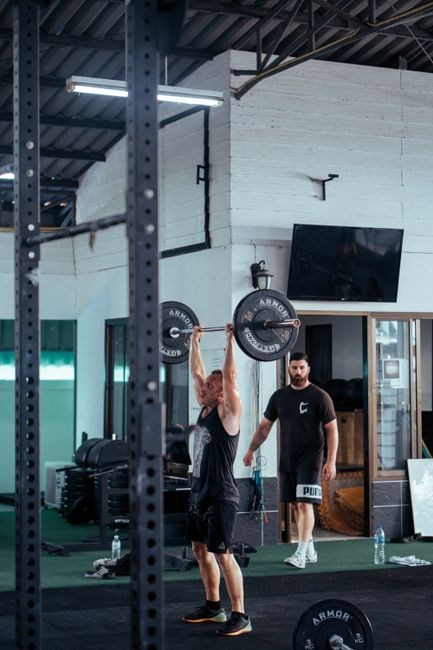
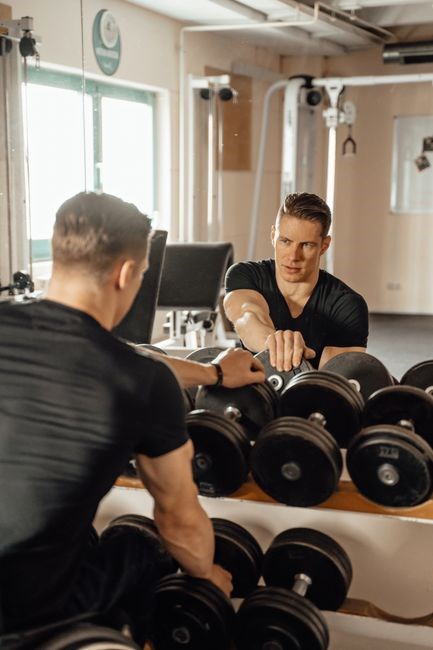
The Essentials Program by Jeff Nippard delivers a concise, 45‑minute hypertrophy plan focused on muscle growth without fluff․ It blends full‑body, upper‑body, and lower‑body workouts, warm‑ups, and progressive overload for efficient gains․ Ideal for 45‑minute sessions, fit now․

Core Philosophy and Design Goals
Jeff Nippard’s Essentials Program is built on three pillars: evidence‑based training, time efficiency, and progressive overload․ The core philosophy centers on delivering the most muscle‑building stimulus in the shortest possible window—under 45 minutes per session—by eliminating unnecessary volume and focusing on compound movements with high quality execution․ The design goals include scientific rigor, a minimalist structure that uses only essential lifts, a progressive overload blueprint built into weekly progression, a mind‑muscle connection emphasis, flexibility for all levels with substitution options, and holistic integration of nutrition and recovery cues․ By marrying these principles, the program offers a practical, research‑backed path to muscle development that fits into a busy lifestyle․
Target Audience and Experience Levels
For beginners, the program emphasizes compound lifts—squats, deadlifts, bench presses, and rows—to build a solid muscular base while reducing injury risk․ Workouts start with brief dynamic warm‑up, then structured set scheme that balances volume and intensity․ Prescribed rep ranges (8–12) stimulate muscle protein synthesis without excessive fatigue, fitting busy schedules․ The Essentials Program is built on three pillars: evidence‑based training, time efficiency, and progressive overload․ The core philosophy centers on delivering the most muscle‑building stimulus in the shortest possible window—under 45 minutes per session—by eliminating unnecessary volume and focusing on compound movements with high quality execution․ The design goals include scientific rigor, a minimalist structure that uses only essential lifts, a progressive overload blueprint built into weekly progression, a mind‑muscle connection emphasis, flexibility for all levels with substitution options, and holistic integration of nutrition and recovery cues․ By marrying these principles, the program offers a practical, research‑backed path to muscle development that fits into a busy lifestyle․ Intermediate lifters will appreciate the systematic progression built into each cycle, with incremental load increases and exercise substitutions that keep the stimulus fresh․ The program also incorporates periodization cues—such as deload weeks and variation in tempo—to prevent overtraining and promote long‑term adaptation․ For advanced athletes, the emphasis on high‑quality form and controlled eccentric phases allows them to push intensity safely while still targeting maximal hypertrophy․ Overall, the Essentials Program is designed to accommodate a wide spectrum of lifters, from novice to elite, by focusing on core movements, progressive overload, and efficient time use․
PDF Accessibility and Format
The official PDF of Jeff Nippard’s Essentials Program is available on his verified website and the Nippard Fitness portal․ It’s a 3․2 MB file, fully compatible with Adobe Reader, Foxit, and mobile apps․ Download it via a direct link, then bookmark for quick access during workouts today․
Where to Find the Official PDF
Jeff Nippard’s Essentials Program PDF lives on the Nippard Fitness website․ Go to the Resources page, click Program Downloads, and click the link https://nippardfitness․com/essentials-program․pdf․ The file is 3․2 MB, searchable, and print‑ready․ The same PDF is mirrored on the Nippard Fitness app under Downloads․ If the site is down, use the archives page or request a link in the Support chat․ Premium members get instant access to all PDFs, including this program․ For a physical copy, print directly or email the PDF to yourself via the Email PDF button․ The program also appears on the official YouTube channel’s community tab, where a pinned comment shares the download link․ Always check the file’s Last Modified date; it should read “July 2026․” If a 404 error occurs, clear your cache or try another browser․ A secure Dropbox mirror is also available at https://dropbox․com/s/essentials․pdf․ The PDF is password‑protected for the first week; the password is emailed after download․ After that, it’s password‑free․ A QR code on the download page lets you start the download from any smartphone․ Users can also download the PDF via Discord where moderators post the link in the #downloads channel․ The download link is updated weekly to reflect program revisions․ An annotated version, https://nippardfitness․com/essentials-annotated․pdf, includes diagrams and check‑questions․ The PDF is licensed under Creative Commons Attribution‑ShareAlike 4․0, so you may share it as long as you credit Jeff Nippard and link back to the source․
File Size, Compatibility, and Download Tips
The Essentials Program PDF is a lightweight 3․2 MB file, optimized for quick downloads on both desktop and mobile browsers․ It is fully compatible with Adobe Reader, Foxit, and the built‑in PDF viewer in Chrome, Edge, and Safari․ The document is structured with clear headings, a table of contents, and page numbers, making navigation effortless even on small screens․ For users on low‑bandwidth connections, the PDF can be downloaded in two parts: the core workout guide (1․8 MB) and the supplementary nutrition sheet (1․4 MB)․ After download, verify the file integrity by checking the SHA‑256 hash provided on the download page․ For offline use, the PDF can be opened on Android via Google PDF Viewer or on iOS via the native Books app․ The file is also printable; simply press Ctrl + P (or Cmd + P on Mac) and choose a printer․ Use the app for instant access․ If you encounter a “file corrupted” error, try opening the file with a different reader or re‑download it․ The PDF is responsive: on tablets it automatically adjusts font size and layout, while on phones it collapses sections for easier scrolling․ Users can also convert the PDF to a Word document using Adobe Acrobat’s export feature, which retains formatting and allows for easy editing of workout plans․ Finally, the file is accessible to screen readers; the PDF follows WCAG 2․1 AA guidelines, ensuring that visually impaired users can navigate the content with ease․

Workout Blueprint
The Essentials Program offers a 4‑week, 3‑day split: full body, upper, lower․ Each session lasts ~45 min, featuring warm‑ups, 3–4 working sets, 8–12 reps, and progressive overload․ Exercises are selectable with clear progression guidelines for all levels
Weekly Schedule and Split Configuration
The Essentials Program is a 3‑day per week split that fits into a 45‑minute window․ Day 1 is a full‑body routine hitting all major muscle groups with compound lifts and high‑volume accessories․ Day 2 focuses on upper‑body hypertrophy, emphasizing push and pull movements for chest, back, shoulders, and arms․ Day 3 completes the cycle with a lower‑body session prioritizing quads, hamstrings, glutes, and calves through squats, deadlifts, and isolation work; Each workout starts with a 5‑minute dynamic warm‑up, followed by 3–4 working sets of 8–12 reps, and ends with a brief cooldown․ Progression is built into the program: after the first 2 weeks, the load is increased by 5–10 % or the rep range is shifted to 6–8 reps to maintain stimulus․ Rest days fall on Tuesday, Thursday, and weekends, giving ample recovery while keeping training frequency high enough to drive hypertrophy․ This configuration suits those who can commit to 45‑minute sessions yet want a time‑efficient approach to muscle growth and strength․ The program also uses periodized rest intervals—60–90 s for hypertrophy and 90–120 s for strength phases․ The split is flexible, allowing users to swap upper and lower days if they prefer a push/pull/legs approach while maintaining total volume․ By keeping each session under 45 minutes, the Essentials Program ensures that even those with tight schedules can achieve consistent muscle growth without sacrificing quality or recovery․ The design also emphasizes form and techniques to maximize effectiveness and reduce injury risk․
Exercise Selection and Progression Guidelines
Jeff Nippard’s Essentials Program curates a list of compound and isolation movements that deliver maximal stimulus in a 45‑minute window․ Each workout is built around a core set of lifts—squat, bench, deadlift, overhead press, row, and pull‑up—paired with complementary accessories such as dumbbell flyes, cable rows, and calf raises․ The program’s philosophy is “less is more”: only the most effective exercises are included, eliminating unnecessary volume․ Progression is structured in two phases: an initial hypertrophy block (weeks 1‑2) that uses 8–12 reps with 60–90 s rest, followed by a strength block (weeks 3‑4) that shifts to 4–6 reps with 90–120 s rest․ Load increases are conservative—5–10 % per week—ensuring joint safety while maintaining a steady overload․ Users can substitute equivalent movements (e․g․, replace barbell row with dumbbell row) if equipment is limited, but the substitution must preserve the primary muscle group focus․ The program also incorporates progressive overload through tempo manipulation: starting at a 2‑second eccentric, 0‑second pause, 1‑second concentric, and gradually extending the eccentric phase to 4 seconds by week 4․ This tempo variation increases time‑under‑tension, a key driver of hypertrophy․ Additionally, the Essentials Program recommends a “drop‑set” technique on the final set of each accessory exercise to fully fatigue the muscle fibers․ By following these guidelines, trainees can systematically increase load, volume, and intensity while minimizing the risk of overtraining․ Result is a streamlined approach to muscle growth and strength development․
Nutrition and Supplementation
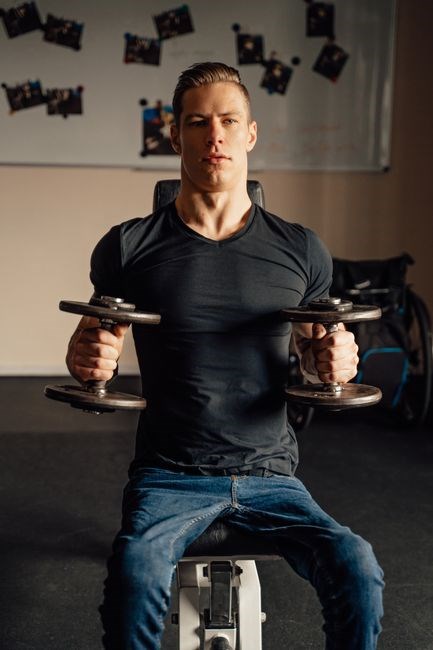
The Essentials Program recommends a balanced macro split: 30% protein, 40% carbs, 30% fats․ Consume 1․5g protein per kg body weight, spread over 4–5 meals․ Key supplements: whey protein, creatine monohydrate, BCAAs, and a multivitamin․ Follow these guidelines for optimal gains․
Macronutrient Breakdown

Jeff Nippard’s Essentials Program outlines a precise macronutrient strategy designed to fuel hypertrophy while preserving lean mass․ The core prescription follows a 30% protein, 40% carbohydrate, and 30% fat distribution, calibrated to the individual’s total daily energy expenditure (TDEE)․ For most trainees, protein intake is set at 1․5–2․0 g per kilogram of body weight, ensuring a steady supply of amino acids for muscle repair and synthesis․ This protein is distributed across 4–5 balanced meals, each containing 25–35 g of high‑quality protein sources such as chicken breast, Greek yogurt, or plant‑based alternatives․
Carbohydrate allocation focuses on complex, low‑glycemic options that provide sustained energy for intense training sessions․ Whole grains, legumes, sweet potatoes, and oats are prioritized, with a recommended intake of 3–4 g per kilogram of body weight․ This range supports glycogen replenishment without excessive caloric surplus․ Fat intake is kept moderate, emphasizing unsaturated sources like olive oil, nuts, seeds, and fatty fish, which support hormone production and joint health․
Adjustments are made based on training intensity, body composition goals, and metabolic response․ For cutting phases, protein is maintained while slightly reducing carbs and increasing healthy fats to preserve muscle mass․ Conversely, during bulking, carb intake may be nudged higher to support anabolic processes, while protein remains constant․ Regular body composition tracking and dietary logs help fine‑tune these ratios, ensuring the program remains responsive to individual progress and recovery needs․
When tailoring macros, consider training volume and body composition goals․ A bulking phase may push carbohydrate intake to 4–5 g/kg, while a cutting phase could reduce it to 2–3 g/kg, keeping protein constant․ Fat should remain at 0․8–1․0 g/kg to support hormone synthesis․ Meal timing is flexible; consuming protein within a 30‑minute post‑workout window maximizes muscle protein synthesis․ Pre‑workout meals rich in complex carbs provide glycogen, whereas a light protein snack before bed aids overnight recovery․ Tracking macros with a food diary or app ensures adherence and allows for incremental adjustments based on progress and satiety signals․
By consistently monitoring these ratios and adjusting for individual response, the Essentials Program ensures each calorie fuels muscle growth, not excess fat and supports recovery․
Recommended Supplements and Timing
Jeff Nippard’s Essentials Program recommends a concise stack that maximizes muscle protein synthesis and recovery while keeping the routine simple․ The core stack begins with a high‑quality whey protein isolate or concentrate; 20–30 g immediately after each workout provides the essential amino acids needed for post‑exercise repair․ Creatine monohydrate is the next pillar: 5 g daily, taken either pre‑ or post‑workout, has a robust evidence base for increasing strength and lean mass․ A fish‑oil omega‑3 blend (1–2 g EPA/DHA) supports joint health and reduces inflammation, and should be taken with a main meal․ A broad‑spectrum multivitamin ensures micronutrient sufficiency, especially when caloric intake is restricted․ For those who require additional energy, a simple pre‑workout blend containing caffeine, beta‑alanine, and citrulline malate can be consumed 20–30 min before training to enhance focus and endurance․ Post‑workout, a BCAA or essential amino acid supplement (5–10 g) can help sustain muscle protein synthesis during the overnight fast, though it is optional if protein goals are met․ Finally, a casein protein or slow‑digesting protein shake before bed supports overnight recovery․ The timing strategy is designed to keep protein synthesis elevated throughout the day while providing the necessary substrates for strength gains and recovery․
Additional supplements such as vitamin D3 (2000 IU daily) and magnesium glycinate (300 mg at night) support hormone and muscle function․ A post‑workout creatine‑protein combo taken within 30 minutes maximizes uptake․ Consistency is key․ Supplement timing enhances gains and recovery!․
Practical Implementation and Support
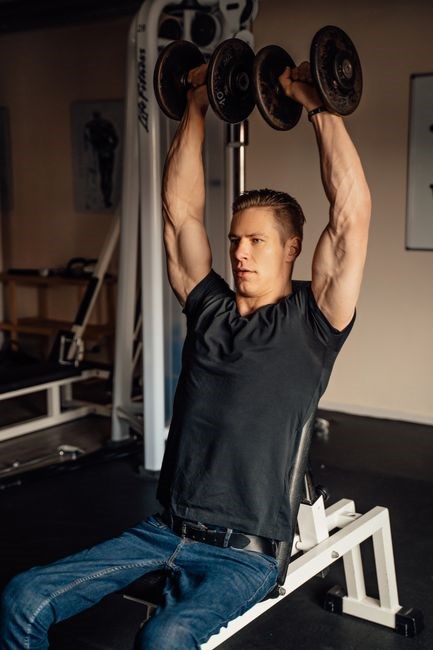
Jeff Nippard’s Essentials Program is designed for quick, 45‑minute sessions․ Use a home gym setup: a barbell, bench, and dumbbells․ Follow the PDF’s split, track reps, and log weights․ For support, join the community forum or Discord for Q&A and progress sharing stay motivated․!
Equipment Needs and Home Gym Adaptations
Jeff Nippard’s Essentials Program is built around a minimal yet effective home‑gym setup, ensuring you can perform every prescribed movement in under 45 minutes․ The core pieces required are a standard barbell with a set of adjustable plates, a power rack or squat stand, a flat bench, and a pair of dumbbells that can be swapped or loaded incrementally․ If space or budget limits you, a set of resistance bands can substitute for lighter accessory work, and a sturdy chair or box can replace a bench for body‑weight variations․ For the lower‑body focus, a set of weighted vests or a backpack filled with books can add resistance to squats and lunges when a full barbell isn’t available․ The program’s design allows equipment substitutions: replace the barbell row with a bent‑over dumbbell row or swap the barbell bench press for a dumbbell press․ A set of adjustable dumbbells can cover most accessory movements, such as curls, triceps extensions, and lateral raises․ Store plates in a foldable rack against a wall, and use a compact power rack when not in use․ A small pull‑up bar can be installed above a doorway to perform chin‑ups and lat‑pulls, maintaining upper‑body volume․ Finally, invest in a quality set of resistance bands for mobility work and to assist in exercises like banded pull‑ups or banded glute bridges, which are part of the program’s warm‑up and recovery protocols․ By focusing on these essential items and smart adaptations, you can replicate the full‑body, upper‑body, and lower‑body splits outlined in the PDF without a large commercial gym setup․ and also for stab All equipment can be sourced affordably online․
Common FAQs and Troubleshooting
Frequently asked questions about Jeff Nippard’s Essentials Program focus on timing, equipment, and progression․ Each workout is capped at 45 minutes, with warm‑up and working sets spaced to stay within that window․ You can swap dumbbells for barbell; the program lists both options․ Missing a session? The split lets you catch up on a single day without overloading the next․ Tracking progress uses built‑in log sheet in PDF; adjust next week’s load by 5–10 % if you hit upper rep range․ Soreness after first week is normal due to overload increasing intensity․ A active recovery day or foam‑rolling routine can help․ If power rack isn’t available, squat stand can substitute․ Form help comes from instructional videos linked in PDF; if unsure, consult trainer or use mirror to check alignment․ Nutrition, sleep, and recovery are critical; works best with balanced diet and adequate rest․ Limited space? Use fold‑down bench or yoga mat for floor work․ Plate scarcity? Use single barbell with plate on one side and weighted backpack on other to simulate load․ Beginners can start with lighter loads and higher reps before progressing․ Heart rate tracking isn’t required, but perceived exertion monitoring ensures you stay in hypertrophy zone․ Combining Essentials with programs is possible, but avoid overlapping major lifts to prevent overtraining․ Joint pain? Reduce load or switch to assisted version․ If arise, consult community forum․ Share your progress on the board!!
Success Stories and Community Feedback
Users of Jeff Nippard’s Essentials Program report rapid, sustainable gains in a 45‑minute window․ One 28‑year‑old bodybuilder who struggled with time constraints logged a 12‑week transformation, adding 8 lb of lean mass while keeping workouts under 45 minutes․ A 34‑year‑old office worker shared that the split allowed him to hit each muscle group twice a week, resulting in a 15 lb increase in overall strength and a noticeable reduction in lower‑back pain․ A female fitness enthusiast praised the program’s focus on mind‑muscle connection, noting a 20 % improvement in chest activation during presses after just four weeks․ A community forum highlights the program’s clarity: the PDF’s step‑by‑step progression charts help users adjust loads without guesswork․ Many commenters mention the built‑in recovery tips—foam rolling, stretching, and sleep recommendations—that complement the workouts․ The Essentials Program’s accessibility is also a frequent compliment; the PDF is free to download from the official site, and the layout works on both desktop and mobile devices․ Users appreciate the lack of “fluff” and the emphasis on compound movements, which keeps training efficient․ Testimonials often include before‑and‑after photos, showing visible muscle definition and improved posture․ The supportive Discord community offers daily check‑ins, allowing members to troubleshoot form issues and share progress updates․ Overall, the feedback underscores the program’s effectiveness for beginners and seasoned lifters alike, proving that a concise, well‑structured plan can deliver real results․ The PDF’s clear progression charts help users track weekly load increases, fostering accountability and sustained motivation throughout the program